Pantry Hygiene Standards Every Office Should Keep
A pantry is a shared food area. Hygiene is not optional, and it is far easier when the supplies to maintain it are always in stock.
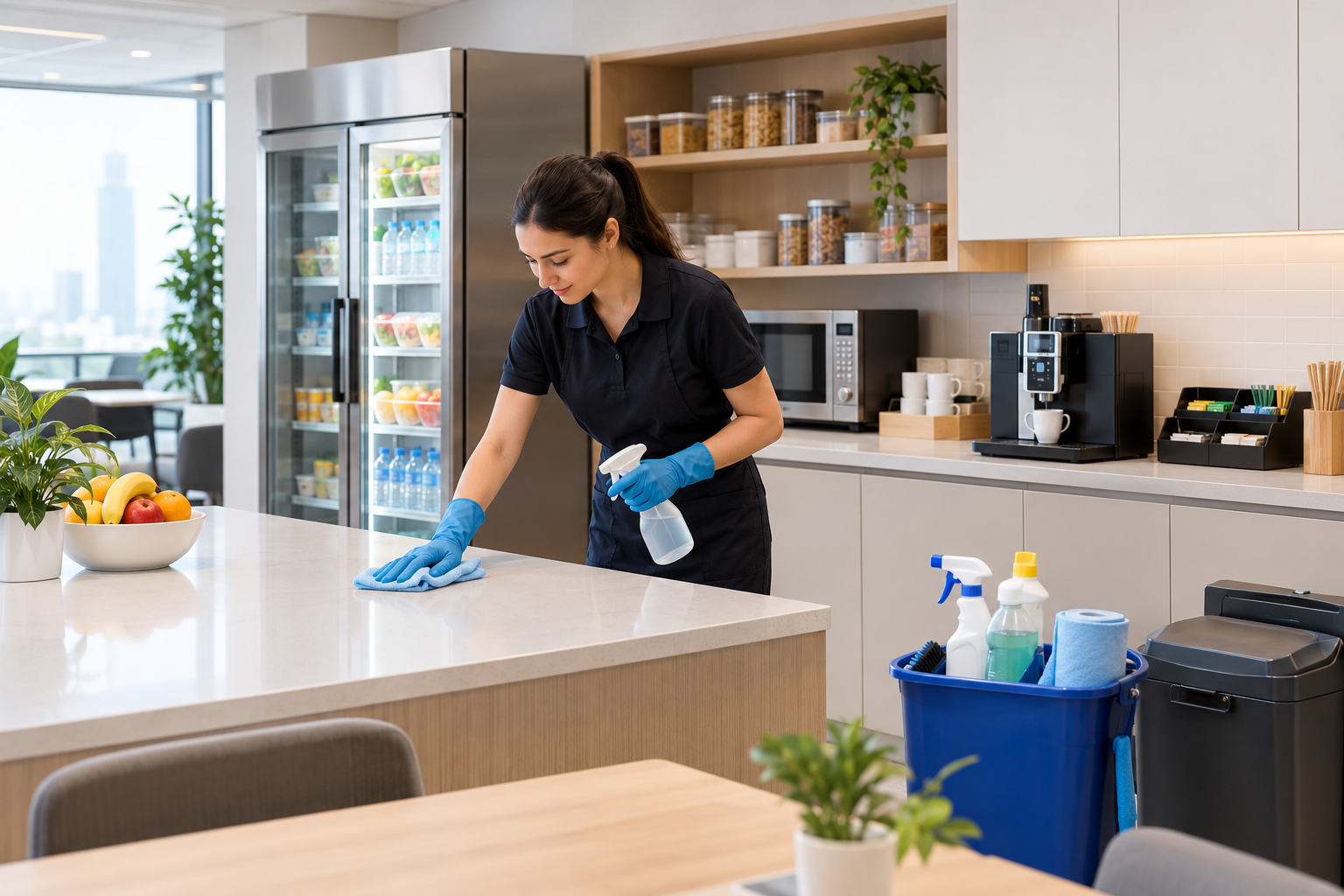
An office pantry is more than a place to prepare coffee, store snacks, or enjoy a quick lunch. It is a shared food area used by employees throughout the working day, making hygiene an essential part of workplace management. From clean countertops and properly stored food to sanitised coffee machines and regularly emptied bins, every detail contributes to a healthier and more comfortable office environment.
Maintaining consistent hygiene standards does not have to be complicated. The key is to establish clear cleaning routines, keep essential cleaning products available, monitor food expiry dates, and assign responsibility for regular checks. When these practices are supported by a reliable pantry management process, businesses can reduce waste, maintain cleaner facilities, and make the pantry easier for everyone to use.
For businesses looking to improve workplace pantry management, Office Pantry UAE supports office pantry requirements through managed pantry services, pantry restocking, and coffee solutions. With a structured approach to supplies and maintenance, organisations can make pantry hygiene a consistent part of everyday operations.
Why Office Pantry Hygiene Matters
Office pantries experience frequent use, often by employees with different food preferences, routines, and expectations. Without clear hygiene standards, food residue can accumulate, bins can overflow, and frequently touched surfaces may become neglected.
A poorly maintained pantry can also attract pests, create unpleasant odours, and increase the risk of cross-contamination between food, utensils, and preparation surfaces. These issues affect the overall employee experience and may require additional time and resources to resolve.
A clean pantry, on the other hand, helps employees feel comfortable preparing food, washing utensils, and using shared appliances. It also demonstrates that the organisation takes workplace cleanliness seriously.
The most effective approach is to treat pantry hygiene as an ongoing operational responsibility rather than an occasional deep-cleaning exercise. Daily cleaning, scheduled maintenance, food safety checks, and consistent availability of cleaning supplies should all work together.
Daily, Weekly and Monthly Office Pantry Hygiene Tasks
A practical hygiene programme divides responsibilities into daily, weekly, and monthly activities. This makes cleaning easier to manage and reduces the likelihood of important tasks being overlooked.
Daily Cleaning: Keep Shared Surfaces Clean
Daily cleaning focuses on areas that come into contact with food, hands, dishes, and waste. These areas should be checked throughout the working day, particularly in busy offices where pantry usage is high.
Countertops, dining tables, preparation surfaces, and sink areas should be wiped down using suitable cleaning products. Food crumbs, coffee spills, and liquid residue should be removed promptly to prevent stains, sticky surfaces, and unpleasant smells.
Sinks should be cleaned after use, and dishwashing areas should be kept free from accumulated food waste. Used cups, plates, and utensils should not be left unattended for extended periods.
Bins should be emptied when necessary and fitted with clean bin liners. Handwashing facilities must remain usable, with hand soap available at all times. Where disposable paper towels are provided, these should also be replenished regularly.
Daily checks should include coffee preparation areas, water dispensers, and other frequently used appliances. Spills around machines should be cleaned immediately, while removable drip trays and other accessible components should be maintained according to manufacturer instructions.
Weekly Cleaning: Address Areas That Need More Attention
Weekly cleaning focuses on appliances, storage areas, and surfaces that may not require intensive attention every day but can accumulate dirt with repeated use.
The refrigerator should be inspected for expired food, leaking containers, spills, and items that have been left behind. Shelves and drawers should be cleaned as required, and food should be stored in suitable, covered containers. Refrigerated food should remain at a safe temperature, following applicable food safety guidance.
Microwaves should be cleaned inside and out, including the turntable and areas where food splashes may collect. Shared appliances such as kettles, toasters, and coffee machines should be inspected and cleaned according to their specific care instructions.
Floors should be cleaned thoroughly, especially around sinks, refrigerators, and beverage stations, where spills are more likely. Cupboards, handles, frequently touched switches, and other shared contact points should also be included in the weekly cleaning schedule.
A weekly inspection is an opportunity to identify damaged containers, leaking packaging, persistent odours, and cleaning tasks that may have been missed during the week.
Monthly Cleaning: Maintain Equipment and Storage Areas
Monthly maintenance addresses tasks that require more time or a planned service routine. Coffee machines, kettles, and other appliances may need descaling, depending on usage, water quality, and manufacturer recommendations.
Cupboards and pantry shelves should be reorganized to remove unnecessary packaging, clean storage surfaces, and make frequently used supplies easier to access. Food storage areas should be checked for signs of moisture, pest activity, or damaged packaging.
Monthly checks should also review the condition of cleaning equipment, waste bins, storage containers, and appliance components. Any recurring hygiene issue should be documented and addressed rather than repeatedly treated as a temporary problem.
The frequency of individual tasks may vary according to pantry size, employee headcount, and usage. High-traffic offices may need more frequent checks, while specialist cleaning or equipment servicing should follow the relevant manufacturer’s instructions.
Food Storage and Expiry Date Management
Cleaning alone is not enough to maintain a hygienic pantry. Food must also be stored correctly, monitored regularly, and removed when it is no longer suitable for consumption.
Every pantry inspection should include an expiry-date check. Packaged snacks, milk, coffee ingredients, condiments, and other consumables should be reviewed according to their storage requirements and date labels.
A simple stock rotation system helps prevent products from being forgotten at the back of cupboards or refrigerators. Place older, usable stock at the front and newer deliveries behind it. This first-in, first-out approach makes it easier for employees to use existing products before opening newer supplies.
Products that have expired, show signs of damage, or have been stored incorrectly should be removed in accordance with applicable food safety procedures. Opened products should be labelled where appropriate, and refrigerated items should be stored in covered containers to reduce the risk of contamination.
Businesses should also avoid overstocking perishable items. Ordering according to actual consumption and agreed stock levels helps maintain a more organised pantry while reducing the likelihood of expired products being discarded.
For offices that require more consistent oversight, Office Pantry UAE’s pantry restocking service can support a more structured approach to pantry supplies and stock management.
Never Run Out of Essential Cleaning Supplies
One of the simplest ways to maintain office pantry hygiene is to ensure that cleaning products are always available when required. Even a well-planned cleaning schedule becomes difficult to follow when the necessary supplies are missing.
Dishwashing liquid, surface cleaner, hand soap, bin liners, sponges, and suitable cleaning cloths should be treated as essential pantry inventory. Paper towels and other hygiene consumables should also be included where they form part of the office’s cleaning arrangements.
These items should be monitored using agreed minimum stock levels, often called par levels. A par level represents the quantity of a product that should normally be available to meet expected demand until the next replenishment.
For example, an office might agree to maintain a minimum quantity of hand soap, dishwashing liquid, and bin liners based on its employee headcount and usage patterns. When stock reaches the agreed reorder point, the item can be added to the next replenishment list.
The same principle applies to coffee, tea, drinking water, and pantry snacks. By monitoring hygiene products alongside everyday refreshments, businesses can reduce emergency purchases and avoid situations where employees have supplies to consume but lack the products needed to keep the area clean.
Cleaning products must also be stored safely, in their original or appropriately labelled containers, and away from food and drink. Products should be used according to their labels and never mixed unless the manufacturer explicitly permits it.
Coffee Machine Hygiene and Beverage Station Maintenance
Coffee stations are among the busiest areas in many office pantries. Regular use can leave behind coffee grounds, milk residue, water deposits, and spills that affect cleanliness and equipment performance.
Employees should clean up spills after preparing drinks and dispose of used coffee grounds and capsules in the appropriate waste containers. Drip trays, removable components, milk containers, and other accessible parts should be cleaned according to the equipment manufacturer’s instructions.
Machines that use fresh milk require particular attention because milk residue can spoil if cleaning is neglected. Automatic cleaning cycles should be completed as directed, and milk should be stored at the appropriate temperature.
Descaling is also important for machines that accumulate mineral deposits. However, it should be carried out at the frequency recommended for the specific equipment rather than following an arbitrary monthly schedule.
A well-maintained coffee station contributes to a more pleasant employee experience and helps protect the equipment from avoidable maintenance issues.
Businesses reviewing their workplace beverage facilities can explore Office Pantry UAE’s coffee solutions to understand the options available for office coffee requirements.
Hand Hygiene and Safe Use of Shared Appliances
Employees play an important role in maintaining pantry cleanliness. Even when cleaning responsibilities are assigned to facilities teams or external service providers, everyday habits influence how hygienic the space remains.
Handwashing facilities should be accessible, supplied with soap, and maintained in working order. Employees should wash their hands before handling food and after activities that may contaminate them.
Shared utensils should be washed after use, and food preparation surfaces should be cleaned before and after handling food. Employees should avoid using the same utensils for different foods without appropriate cleaning, particularly where allergens or raw ingredients are involved.
Food should not be left uncovered on counters for extended periods. Refrigerated items should be returned to the refrigerator promptly, and personal food should be stored in suitable containers with names or dates where necessary.
Appliances should be used according to their instructions. Electrical equipment should be kept away from standing water, and damaged plugs, cables, or appliances should be reported immediately rather than cleaned or repaired by unauthorised employees.
Clear signage can reinforce these habits without making the pantry feel restrictive. Short reminders about washing dishes, cleaning spills, labelling food, and disposing of waste are often more useful than lengthy notices that employees may ignore.
Waste Management and Pest Prevention
Effective waste management is essential for keeping a shared food area clean. Food scraps, used coffee grounds, packaging, and other waste can quickly create unpleasant odours if bins are not emptied regularly.
Waste bins should have suitable liners, be cleaned when necessary, and be emptied before they overflow. Separate recycling arrangements can be used where the building or waste collection provider supports them.
Food residue should not be left in sinks or on countertops, and pantry floors should remain free from crumbs and spilled liquids. Dry food should be stored in sealed containers or its original packaging, provided that the packaging remains intact and suitable for storage.
Regular inspections should look for signs of pest activity, damaged food packaging, or conditions that could attract insects and rodents. Any suspected infestation should be reported promptly and handled by an appropriate pest control provider.
These measures are particularly important in busy offices, where small problems can become harder to manage if they remain unnoticed for several days.
How Managed Pantry Services Support Better Hygiene
Maintaining a hygienic office pantry involves more than ordering refreshments. Businesses also need to monitor stock, check expiry dates, maintain cleaning supplies, and ensure that routine responsibilities are being followed.
A managed pantry arrangement can help organise these activities into a more consistent process. Depending on the agreed service scope, this may include checking existing stock, identifying replenishment requirements, reviewing expiry dates, and keeping frequently used products available.
The important distinction is that managed restocking is not simply an automatic delivery subscription. A structured visit can involve physically checking what remains, preparing a proposed replenishment list, and confirming quantities and pricing before the next delivery.
This approach helps businesses make informed purchasing decisions and maintain appropriate stock levels. It can also make it easier to include cleaning products and hygiene essentials in the same inventory process as coffee, tea, snacks, and other pantry consumables.
Office Pantry UAE provides managed pantry services for businesses looking for a more organised approach to workplace pantry requirements. Companies can discuss their needs, expected consumption, and replenishment preferences to establish a suitable arrangement.
It is important to distinguish stock management from physical cleaning. A managed pantry service supports hygiene by helping maintain the availability of essential supplies and, where included in the agreed scope, checking relevant stock conditions. It does not automatically replace the office’s cleaning team, specialist equipment servicing, or professional pest control.
Creating a Practical Office Pantry Hygiene Checklist
A written checklist makes it easier to establish clear responsibilities and verify that essential tasks have been completed. The checklist should reflect the size of the office, the number of pantry users, the equipment available, and the frequency of use.
Daily checks should cover countertops, sinks, bins, hand soap, dishwashing supplies, and visible spills. Weekly checks should include refrigerators, microwaves, floors, storage areas, and frequently touched surfaces. Monthly checks should review cupboard organisation, equipment maintenance schedules, cleaning supplies, and recurring hygiene issues.
Expiry dates and stock rotation should be reviewed during every relevant pantry inventory visit, rather than being postponed until the end of the month. Cleaning products should also be monitored against agreed par levels so that replenishment can be arranged before supplies run out.
Assigning a responsible person or team helps ensure accountability. A simple log can record the date of inspection, completed tasks, missing supplies, and any corrective action required. For larger offices, digital checklists can make it easier for facilities teams to monitor recurring tasks across multiple pantry locations.
The goal is not to create unnecessary administration. It is to make good hygiene practices repeatable, measurable, and easy to maintain.
Conclusion: Make Pantry Hygiene a Consistent Workplace Standard
A clean office pantry depends on regular cleaning, safe food storage, proper expiry-date management, and the reliable availability of essential hygiene products. Daily surface cleaning, weekly appliance and refrigerator checks, and planned monthly maintenance create a practical foundation for a healthier shared space.
Just as importantly, cleaning products should be managed with the same attention as coffee, tea, snacks, and drinking water. Maintaining agreed stock levels helps prevent avoidable shortages and makes routine cleaning easier to carry out.
With clear responsibilities and a structured replenishment process, businesses can reduce pantry-related problems and create a more comfortable environment for employees.
Office Pantry UAE helps businesses organise their workplace pantry requirements through managed pantry services, pantry restocking, and coffee solutions. By combining sensible stock management with established hygiene routines, offices can keep their pantry better organised, adequately supplied, and ready for everyday use.
Frequently Asked Questions
1. What are the basic hygiene standards for an office pantry?
Basic standards include cleaning food preparation surfaces daily, maintaining handwashing facilities, washing shared utensils, emptying bins, storing food safely, checking expiry dates, and keeping cleaning supplies available.
2. How often should an office pantry be cleaned?
High-use surfaces, sinks, and bins should be checked daily. Refrigerators, microwaves, floors, and storage areas need regular weekly attention, while equipment maintenance and cupboard resets should follow a planned schedule.
3. Which cleaning supplies should every office pantry have?
Essential supplies typically include dishwashing liquid, suitable surface cleaner, hand soap, bin liners, cleaning cloths, sponges, and paper towels where required. The exact list depends on the pantry facilities and cleaning arrangements.
4. How can offices prevent expired food from accumulating?
Check expiry dates during each pantry inventory visit, move older usable products to the front, store food correctly, and remove expired or unsuitable items promptly.
5. Why are par levels important for pantry hygiene?
Par levels establish minimum quantities for essential products. They help businesses replenish hand soap, bin liners, dishwashing liquid, and other cleaning supplies before shortages interrupt routine hygiene practices.
6. How often should office coffee machines be cleaned?
Coffee machines should receive routine cleaning based on manufacturer instructions and usage. Milk systems may require daily cleaning, while descaling frequency depends on water quality, machine type, and operating conditions.
7. Who is responsible for office pantry hygiene?
Responsibility may be shared between employees, cleaning teams, facilities managers, and pantry service providers. Clear task assignments help ensure that daily cleaning, maintenance, and stock checks are not overlooked.
8. How can managed pantry services help maintain hygiene?
Managed pantry services can support regular inventory checks, expiry-date rotation, and the replenishment of essential cleaning products, depending on the agreed scope. They complement rather than replace physical cleaning and equipment maintenance.
9. How can an office prevent pests in its pantry?
Keep food in suitable sealed containers, remove food waste promptly, clean spills, maintain dry and tidy storage areas, and arrange professional pest control if signs of infestation appear.
10. Does pantry restocking include cleaning?
Pantry restocking generally focuses on replenishing agreed products and supplies. Physical cleaning should be confirmed separately as part of the service scope. Offices should ensure that cleaning responsibilities are clearly assigned, even when pantry restocking is professionally managed.